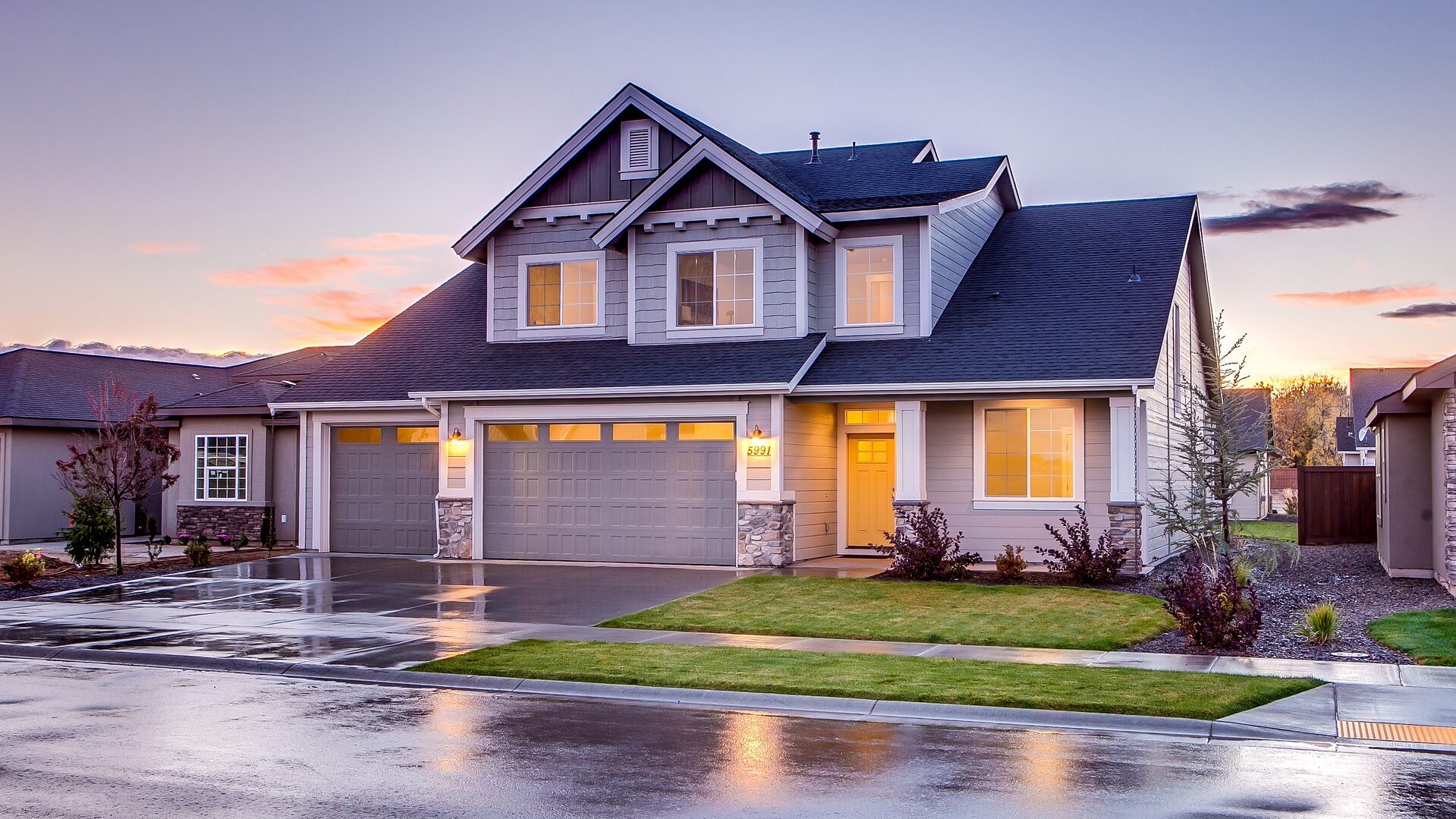

So, I own a vacation rental property that I actively manage, spending over 100 hours each year on it. No one puts in more work than me, and the average rental stay is less than a week, with my personal use accounting for less than 10% of the days it’s rented out. In the past, I’ve treated repairs as immediate expenses when they come up, focusing on wear and tear fixes. But this year, I decided to take a break from the regular rentals and go for a full renovation. I upgraded everything from the HVAC system to the kitchen cabinets, appliances, washer and dryer, bathroom fixtures, flooring, window treatments, and even all the furniture.
For this massive renovation project, I hired a contractor for the labor while I personally bought all the materials from different suppliers. Now, looking ahead to 2025, with the reinstatement of bonus depreciation in the OBBBA, I’m wondering about the best way to categorize these expenses and depreciate the property for the Schedule E depreciation line.
Given the extensive nature of the renovations and the fact that they go beyond simple repairs, it’s crucial to handle the expenses and depreciation correctly for tax purposes. Since the renovation involved significant upgrades and improvements to the property, it may be more appropriate to capitalize these expenses rather than treating them as immediate deductions.
Capitalizing the renovation costs means that you would spread the expenses over the useful life of the assets, rather than deducting them all at once. This typically involves depreciating the improvements over a set number of years, based on the type of asset and applicable tax rules.
When it comes to categorizing the specific expenses from the renovation, you’ll need to differentiate between the labor costs paid to the contractor and the material costs you directly purchased. Labor costs are typically treated as part of the improvement and should be capitalized, while material costs can sometimes be deducted as repairs if they meet certain criteria.
For the Schedule E depreciation expense line in 2025, you’ll need to calculate the depreciation for each asset or improvement separately based on its individual useful life. This could involve using different depreciation methods and schedules depending on the type of asset, so it’s important to keep detailed records of the expenses and consult with a tax professional if needed.
Overall, properly categorizing and depreciating the renovation expenses for your vacation rental property can help you maximize tax benefits and ensure compliance with tax laws. By taking the time to understand the rules and requirements related to capitalizing improvements and depreciation